 AdminUtama
Home
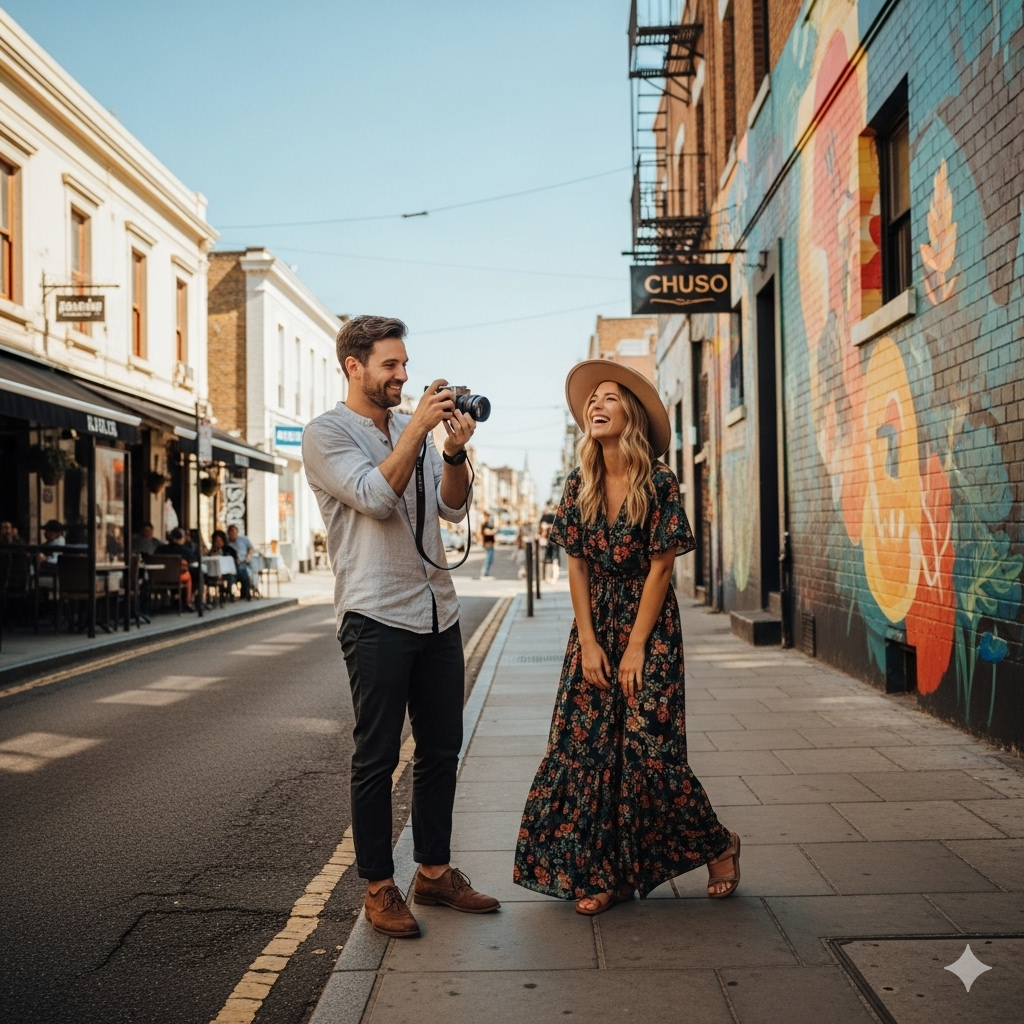
Chase and Sam | Lifestyle, Travel & Creative Blog
Welcome to Our World
Hi there, and welcome to Chase and Sam—a lifestyle, travel, and creative blog where we share the stories, experiences, and inspirations that shape our journey together. What began as a small passion project has grown into a space where we explore the beauty of everyday life, document our adventures around the world, and dive into creative projects that keep our hearts inspired.
For us, this blog is more than just posts and pictures—it’s a living journal. It’s where we celebrate the big moments, reflect on the little ones, and connect with readers who share a love for travel, creativity, and meaningful living.
Our Lifestyle
Lifestyle is at the heart of who we are. From the rituals of slow mornings with coffee to the thrill of trying new recipes or creating cozy spaces at home, we believe that everyday living can be beautiful, intentional, and full of inspiration.
Here on Chase and Sam, you’ll find:
-
Home Inspiration – ideas on décor, cozy living, and making your space reflect your personality.
-
Food & Recipes – dishes from our travels, comfort meals from our kitchen, and experiments with flavors.
-
Mindful Living – tips on wellness, balance, and savoring the present moment.
We’re always learning, growing, and sharing the ways we try to make life meaningful and creative.
Our Travels
Travel is where our curiosity meets adventure. From the bustling streets of Europe to quiet coastal villages and mountain escapes, we love discovering the stories hidden in each place we visit.
Our travel stories are not just guides—they’re personal narratives that capture the feeling of being there. You’ll find:
-
Destination Guides – practical tips and highlights from cities and hidden gems.
-
Cultural Experiences – food, festivals, and traditions that bring places to life.
-
Travel Stories – personal reflections from our journeys, the ups, the surprises, and the unforgettable memories.
For us, travel is about more than ticking places off a list. It’s about connection—with people, with cultures, and with the world itself.
Our Creative Space
Creativity fuels everything we do. Photography, writing, design, and storytelling are not just hobbies—they’re part of our lives. Through Chase and Sam, we share projects that inspire us and hopefully inspire you too.
Whether it’s a photo essay from our latest trip, a design project, or a simple journal entry, creativity is the heartbeat of our blog. We love using art to capture moments and emotions that words sometimes can’t fully express.
Why We Blog
We started Chase and Sam because we wanted to create something together—a place where our passions for travel, lifestyle, and creativity could meet. Over time, this blog has become:
-
A diary of our adventures.
-
A resource for readers looking for ideas and inspiration.
-
A community where people who love storytelling, travel, and creative living can connect.
Join Us on the Journey
We’re so glad you’re here. Whether you came for a travel guide, a recipe, a creative spark, or simply to enjoy the stories, you’re part of this journey with us.
So grab a cup of coffee, browse around, and let’s explore life, travel, and creativity together.
Welcome to Chase and Sam—where everyday living meets extraordinary adventures.